
Cloth Diapers and the Infant Epidermal Barrier: A Pediatric Perspective
Understanding how uncompressed organic fibers preserve the stratum corneum lipid matrix and lower dermatitis incidence.
Read Full Article
Newborn skin is 30% thinner than adult dermis. Unbleached organic cotton and hemp prevent friction damage and maintain an optimal physiological acid mantle.
Unlike non-porous single-use plastics, woven plant fibers allow natural thermoregulation, preventing fungal proliferation such as Candida albicans.
Completely eliminated sodium polyacrylate crystals, dioxin bleaching traces, phthalates, and artificial odor masking chemicals.
Practical advice verified by pediatric dermatologists, lactation specialists, and textile scientists.

Understanding how uncompressed organic fibers preserve the stratum corneum lipid matrix and lower dermatitis incidence.
Read Full Article
How to balance water hardness, safe enzyme surfactants, and thermal sanitation to keep diapers sterile and soft.
View Recommendations
Diagnostic pointers for parents and caregivers to identify friction vs chemical irritation and restore skin pH quickly.
Explore ProtocolPioneering sustainable infant hygiene through scientific testing, institutional partnerships, and circular parenting networks.

Equipping maternity hospitals and daycare centers with medical-grade organic cloth diaper services, diverting over 6,000 disposable diapers per child from municipal landfills.
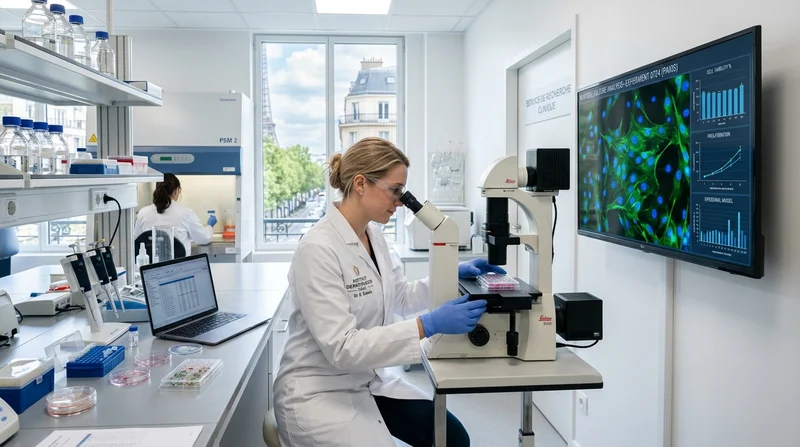
Standardizing transepidermal water loss (TEWL) measurement protocols across multiple natural fabric weaves to ensure zero mechanical chafing against sensitive newborn skin.

A non-profit regional loan bank providing sanitized cloth diaper lending kits and educational workshops to low-income families and new parents navigating infant dermatitis.
The skin of a newborn baby represents a fascinating, delicate biological barrier undergoing rapid postnatal maturation. During the first twelve to eighteen months of life, the stratum corneum possesses significantly fewer lipid lamellae, thinner cell layers, and a higher transepidermal water loss (TEWL) rate than mature adult epidermis. Furthermore, the acid mantle, which maintains a defensive cutaneous pH between 4.8 and 5.5, remains fragile and vulnerable to biochemical disruption.
One of the most consequential environmental microclimates affecting infant dermatological wellness is the diaper area. The combination of occlusion, excessive moisture, friction, and exposure to urinary ammonia and fecal proteases creates conditions prone to irritant contact diaper dermatitis. In this monograph, we evaluate the biomechanical and chemical dynamics of cloth diapering systems in preserving epidermal integrity.
Conventional single-use disposable diapers rely heavily on exterior polyethylene or polypropylene sheets engineered to prevent liquid seepage. While these impermeable synthetic layers avert exterior dampness, they simultaneously produce an occlusive greenhouse effect. Within enclosed disposable diapers, relative humidity rapidly approaches 100%, and interior skin temperature elevates markedly. This prolonged hydration triggers cutaneous maceration, softening intercellular desmosomes and rendering the epidermis susceptible to mechanical shearing forces.
In contrast, modern reusable cloth diapers constructed from organic cotton flannels, bamboo fleece, or unbleached hemp twill facilitate continuous convective air exchange. Natural fibers wick excess moisture away from the skin surface through capillary action while permitting water vapor to disperse. Maintaining ambient skin surface temperatures prevents excessive vasodilation and deprives opportunistic fungal organisms, particularly Candida albicans, of the warm, saturated environment necessary for hyphal invasion.
Clinical Principle: Avoiding synthetic superabsorbent polymer hydrogels eliminates chemical desiccation. Hydrogels can draw moisture excessively from the cutaneous epidermis, leading to paradoxical xerosis and localized micro-fissuring of delicate newborn folds.
When implementing cloth diapering routines, fiber texture and weave directly dictate frictional coefficient values against the perineal and inguinal skin folds. Pediatric clinical recommendations emphasize three principal natural textile classes:
An indispensable component of maintaining healthy infant skin during cloth diapering is the washing regimen. Contact dermatitis associated with cloth diapers rarely stems from the cloth itself; rather, it typically originates from detergent residue retention or improper bacterial sanitation. Pediatric guidelines recommend a two-stage laundering sequence:
By adhering to physiological diapering principles, parents nurture resilient cutaneous defenses while fostering an eco-conscious nursery free from synthetic industrial pollutants.
Practical solutions to everyday queries regarding newborn skin care and cloth diaper maintenance.
Yes. Breathable organic cotton, bamboo, and hemp fibers permit natural ventilation and avoid synthetic superabsorbent polyacrylate polymers. This prevents cutaneous moisture entrapment, maintains physiological skin temperature, and greatly lowers the incidence of moisture maceration and Candida flare-ups.
Pediatric dermatologists advise changing cloth diapers every 2 to 3 hours during daytime hours, or immediately upon bowel movements. Regular changing prevents prolonged exposure to fecal enzymes and urea breakdown products, ensuring the infant acid mantle stays balanced.
Natural zinc oxide and panthenol barrier ointments are compatible with cloth diapers when used alongside disposable microfleece or biodegradable paper liners. Liners protect the underlying diaper weave from oil buildup while allowing curative barrier protection on the infant dermis.
Opt for a clean, dye-free, perfume-free laundry detergent free from optical brighteners, synthetic enzymes, and commercial fabric softeners. Softeners coat natural fibers in hydrophobic silicone films that ruin absorbency and trigger contact sensitivities.
Have questions regarding proper cloth diaper sizing, washing routines, or infant skin sensitivities? Our pediatric skin care advisors are here to help.